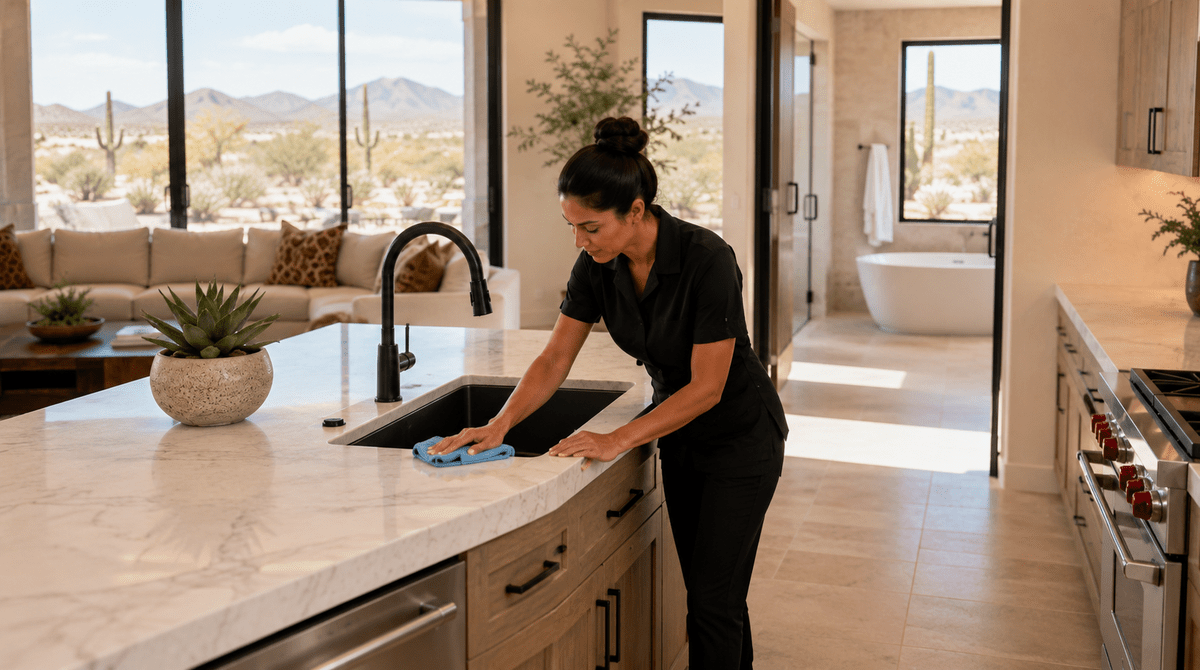
A home rarely gets dirty at the same rate from room to room. Some spaces handle cooking, moisture, shoes, pets, and constant traffic, while others may stay orderly for several days with very little attention. Understanding what rooms need the most frequent cleaning helps you focus your limited time where it makes the biggest visible difference.
For most households, kitchens and bathrooms need the closest attention, followed by entryways and busy shared living spaces. Bedrooms and home offices generally need a steadier weekly rhythm rather than constant upkeep. The right schedule still depends on your household, including how often you cook, whether you have children or pets, and how heavily each space is used.
For households that prefer professional support, professional home cleaning in Scottsdale can make it easier to maintain a consistently comfortable space without adding another major task to the week.
Instead of trying to clean the entire house every day, focus first on the rooms where mess builds quickly or spreads into other areas. Prioritizing the busiest spaces can reduce the mental load of deciding what to clean next and help you maintain a comfortable home while balancing work, family, and everything else on your schedule.
Which Rooms Should You Clean Most Often?
The kitchen usually ranks near the top because food preparation creates crumbs, grease, spills, water spots, and residue every day. Counters and sinks can need attention after every meal, while appliance handles, cabinet fronts, and floors gradually develop visible buildup from daily use.
Bathrooms typically need frequent attention for a different reason. Moisture combines with soap residue, toothpaste, hair, water spots, and regular contact with fixtures. A family bathroom shared by several people can start looking untidy within a day or two, even after a thorough cleaning.

Entryways are another high-priority area. Dirt enters the house on shoes, pet paws, bags, and outdoor gear. Once grit and debris reach the entry floor, regular foot traffic can carry them farther into the home.
Busy living areas usually come next. A living room used every evening can collect crumbs, pet hair, dust, toys, cups, and general clutter quickly. A rarely used formal room may need far less attention.
Bedrooms and offices tend to accumulate dust and clutter rather than food residue or moisture. They still need routine care, but they usually don’t require the same cleaning frequency as kitchens or bathrooms.
| Room or Area | Common Sources of Mess | Suggested Cleaning Rhythm | Main Focus |
|---|---|---|---|
| Kitchen | Food, grease, crumbs, spills | Daily touch-ups, weekly cleaning | Counters, sink, appliance fronts, floor |
| Bathroom | Moisture, soap film, hair, germs | Every few days, weekly cleaning | Sink, toilet, shower, floor |
| Entryway | Shoes, outdoor dirt, pet debris | Several times a week | Floor, mats, clutter |
| Living room | Dust, crumbs, pet hair, daily use | Several times a week to weekly | Floors, surfaces, upholstery |
| Bedroom | Dust, laundry, hair | Weekly | Linens, furniture, floor |
| Home office | Dust, papers, food or drink | Weekly | Desk, electronics, floor |
This ranking is a practical starting point rather than a rigid rule. A guest bathroom may stay clean for a week, while a heavily used second kitchen or playroom might need attention almost every day. For a busy household, that flexibility matters. You can focus on the spaces that need attention now instead of feeling pressured to follow an inflexible whole-house schedule.
Why the Kitchen and Bathrooms Need Frequent Cleaning
Kitchens bring several types of mess together in one relatively small area. Food preparation creates crumbs and splatter, cooking releases grease, and repeated hand contact leaves marks on handles, switches, and appliances. Water around the sink can also leave spots or residue when it dries.
Kitchen cleaning works best when small tasks happen before buildup has time to settle. Wiping a fresh spill takes seconds and helps keep routine maintenance simple later.
The kitchen floor also deserves regular attention because debris often falls during food preparation. Crumbs and grit can then travel into dining spaces, hallways, or living rooms on socks and shoes.
Bathrooms have a similarly demanding environment. Warm water and steam create moisture, while soap, skin products, toothpaste, and hair leave residue on surfaces. Toilet seats, flush handles, faucets, and light switches also receive frequent contact.
A practical routine for the busiest rooms might include:
- Wipe kitchen counters, tables, and the sink after food preparation.
- Sweep or vacuum visible crumbs and debris before they spread.
- Clean bathroom sinks and counters every few days.
- Wipe high-touch bathroom fixtures regularly.
- Check toilets, shower edges, and floors for visible buildup.
- Empty trash before bins become overfilled or develop odors.
These short tasks don’t replace regular house cleaning. They help prevent chores from piling up, which can make the next cleaning session faster and easier to fit into a busy week.
AZ House Cleaner takes a similar priority-based approach. Its professional cleaning checklist notes that cleaners focus on the areas needing the most attention, typically kitchens and bathrooms, and its standard service covers regular upkeep such as dusting, vacuuming, mopping, bathroom sanitizing, and kitchen cleaning.
How Often Should Other Rooms Be Cleaned?
Once the kitchen and bathrooms are under control, cleaning frequency can usually become less demanding.
A living room may need light attention throughout the week if it’s one of the busiest parts of the house. Straightening blankets, clearing cups, putting away toys, and vacuuming visible debris can keep the space comfortable without requiring a complete cleaning every day.
Homes with pets may need extra floor and upholstery care. Hair gathers quickly along furniture edges, on rugs, and around baseboards. Families with young children may also need to clean shared spaces more frequently because food, toys, crafts, and outdoor dirt often move between rooms.
Bedroom cleaning is usually easier to manage on a weekly schedule. Changing bed linens, dusting furniture, cleaning floors, emptying trash, and putting away clothes handles most routine needs. If pets sleep in the room or Arizona dust enters through frequently opened windows and doors, an additional quick vacuum during the week may help.
A home office often falls into the same weekly category. Dust the desk, clean frequently touched equipment as appropriate, clear unnecessary papers, and vacuum around the chair and furniture. If you regularly eat at your desk, treat food debris promptly rather than waiting until the weekly cleaning.
Dining rooms vary considerably. A dining space used for every meal may need the same frequent surface and floor care as the kitchen. A formal dining room used only occasionally may stay presentable much longer.
There isn’t one room in every home you should always clean first. Start with the area creating the greatest practical problem. That might be a sticky kitchen after dinner, a busy bathroom before guests arrive, or an entryway covered in dust after a windy Arizona afternoon. Choosing the most pressing space first can make cleaning feel less overwhelming when your time and attention are already stretched.
Build a Room Cleaning Schedule Around How You Live
A useful room cleaning schedule should make life easier, not add another demanding task to your week. A simple rhythm of daily resets, weekly cleaning, and occasional deep cleaning can reduce the mental effort of constantly deciding what needs attention next.
Daily work should stay short and focused so it doesn’t take over your free time. Deal with food spills, obvious crumbs, dirty dishes, bathroom splashes, and anything else that will become harder to remove if left alone. Small resets can keep the home feeling orderly without requiring a long cleaning session after a full day of work or family responsibilities.
Weekly cleaning can cover the tasks that affect the overall feel of your home, including vacuuming, mopping, dusting, cleaning bathrooms, changing sheets, and wiping regularly used surfaces. Grouping these tasks into a predictable routine means fewer decisions during the week and makes it easier to know what has already been handled.
Lower-use spaces can often wait longer. Guest bedrooms, formal rooms, storage areas, and other lightly used spaces may need attention every few weeks or when visible dust begins to collect.
Try organizing your routine around priorities rather than assigning a separate complicated schedule to every surface:
- Handle fresh mess first. Clean food spills, sticky spots, tracked-in dirt, and bathroom splashes before they dry or spread.
- Reset high-use areas regularly. Give kitchens, bathrooms, entryways, and active living spaces brief attention throughout the week.
- Schedule weekly maintenance. Vacuum or mop floors, dust furniture, clean bedrooms, and complete fuller bathroom and kitchen tasks.
- Plan periodic deep cleaning. Address baseboards, blinds, vents, and harder-to-reach areas that aren’t part of your normal routine.
- Adjust when life changes. Pets, visitors, school breaks, work-from-home schedules, and seasonal dust can all change how quickly particular rooms become dirty.
The difference between regular cleaning and a deep clean also matters. Maintenance cleaning keeps an already cared-for home in order. Deep cleaning addresses accumulated grime and detailed areas that may not receive attention during normal upkeep. AZ House Cleaner offers standard cleaning as either recurring maintenance or a one-time service, while deep cleaning adds more detailed work such as wet wiping baseboards and blinds, cleaning doors and trim, and vacuuming under accessible furniture.
If professional service is part of your routine, getting your home ready before the cleaners arrive can help the appointment run smoothly and let the cleaning team focus on the areas that need their attention.
Understanding that difference can take some pressure out of home maintenance. You don’t need to treat every weekly cleaning session like a deep clean. Consistent routine care handles day-to-day mess, while periodic detailed cleaning takes care of slower buildup without making your regular schedule harder to manage.
Make Each High-Demand Room Easier to Maintain
Frequency matters, but the order and method you use can reduce the amount of time cleaning takes.
Start by clearing clutter from the surface you’re about to clean. A kitchen counter covered with mail, appliances, and containers takes longer to wipe than an open one. Bathroom counters are similar. Keeping everyday products contained makes routine cleaning faster and reduces the number of small decisions required when you’re ready to clean.
Work from higher surfaces toward the floor so dust and crumbs aren’t falling onto areas you’ve already cleaned. Finish by vacuuming, sweeping, or mopping as appropriate.
Pay particular attention to places hands touch frequently. In the kitchen, that may include refrigerator handles, cabinet pulls, faucets, and light switches. In bathrooms, it includes faucets, flush handles, door handles, and switches.
Dry conditions can also influence the routine in Arizona homes. Dust may become noticeable on furniture, floors, blinds, and other exposed surfaces, so some households will need to adjust their cleaning frequency based on how quickly it returns.
If a busy week disrupts your normal cleaning routine, focus on the rooms that affect daily comfort first. A few targeted resets can keep the home feeling calm and cared for until you have time for the rest.
A simple priority order often works well:
Kitchen and bathrooms first, then entryways and high-traffic living areas, followed by bedrooms and the home office. Low-use rooms can usually wait until the busiest spaces are settled.
That same logic can help when professional cleaning is part of your routine. Recurring service can handle regular maintenance while you take care of small spills and daily resets between appointments. For a busy individual or family, that can mean fewer household chores competing for evenings and weekends, less mental effort spent tracking what needs cleaning, and more time for work, family, rest, and other priorities.
AZ House Cleaner offers one-time and recurring standard cleaning, deep cleaning, move-in and move-out cleaning, and other residential cleaning options designed to make home upkeep easier for busy Arizona households.
Let AZ House Cleaner Take Routine Cleaning off Your Schedule
Knowing which rooms need attention most often can make household upkeep feel much more manageable. Kitchens and bathrooms usually deserve first priority, while entryways and active living spaces benefit from frequent resets. Bedrooms, offices, and quieter rooms can often follow a weekly or less frequent schedule.
A realistic cleaning rhythm can help your home stay fresh and comfortable without requiring constant attention. Focus on food, moisture, high traffic, dust, and visible buildup, then adjust your routine to the way your household actually uses each space. Having a clear plan can reduce stress, limit the mental load of unfinished chores, and make it easier to enjoy a clean, calm home.
When maintaining those high-demand rooms starts competing with work, family, and everything else on your schedule, professional help can restore a more comfortable rhythm. AZ House Cleaner provides standard cleaning, deep cleaning, move-in and move-out cleaning, and other cleaning services throughout Arizona, with online booking, upfront pricing, and background-checked cleaning professionals.



Arizona Cleaning
We will send you info about our cleaning company