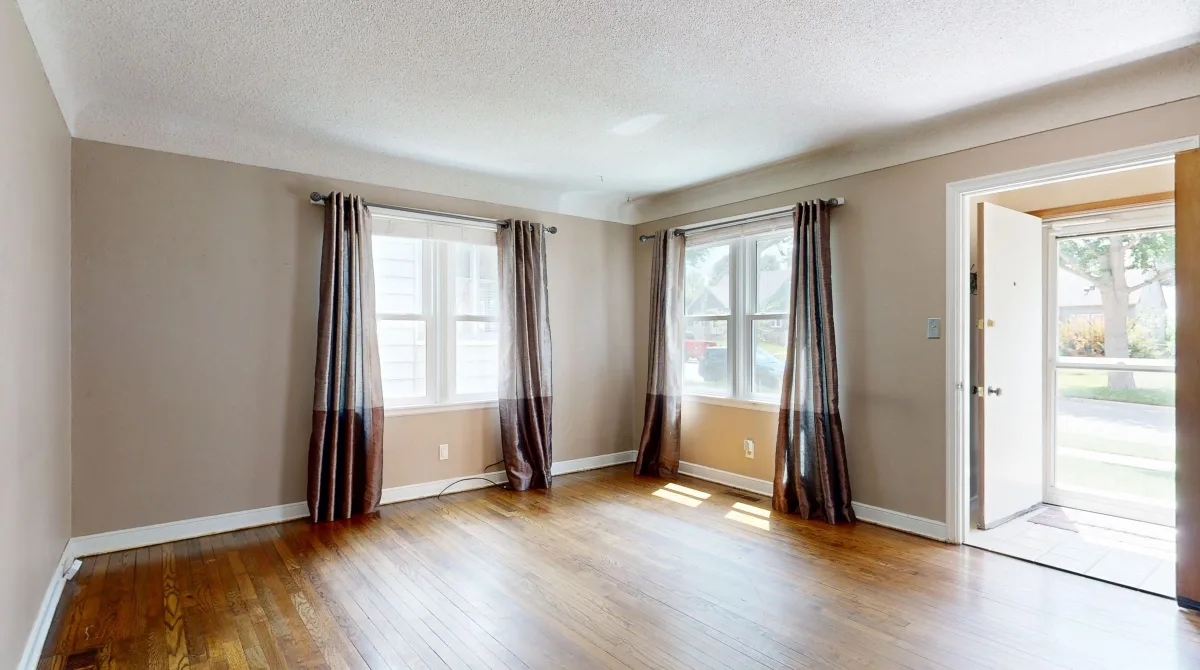
Moving comes with plenty to manage, and cleaning can easily become one of the last major tasks on your list.
If you are wondering how clean should a home be before moving out, a good rule is to leave the property empty, tidy, and free of visible dirt, grime, trash, odors, and buildup.
For renters, the lease and move-in condition report usually set the standard.
A landlord may expect floors to be vacuumed or mopped, appliances emptied, bathrooms scrubbed, counters wiped, and all personal belongings removed.
If you are selling a home, the purchase agreement may outline a different level of cleaning before the buyer takes possession.
In either situation, the property should be clean enough that the next person can move in without needing to scrub the kitchen, remove leftover trash, or clean a dirty bathroom first.
That does not mean every scratch, faded area of paint, or sign of ordinary use has to disappear.
Cleaning issues, normal wear, and damage are different.
Understanding those differences can help you focus on the areas that matter most, reduce the risk of cleaning fees or disputes, and make the handoff smoother.
If you would rather leave the detailed work to a professional, AZ House Cleaner can help prepare the property for a landlord walkthrough, sale or new occupant.
Our Move Out package adds $200 to the standard clean and covers baseboards and door frames, window tracks, inside the oven, inside emptied cabinets and drawers, and inside the emptied fridge and freezer.
For example, 3 bedrooms and 2 full bathrooms with the Move Out package:
$100 + (3 × $30) + (2 × $50) + $200 = $490
See your price and book online.
What a Move-Out Inspection Usually Looks For
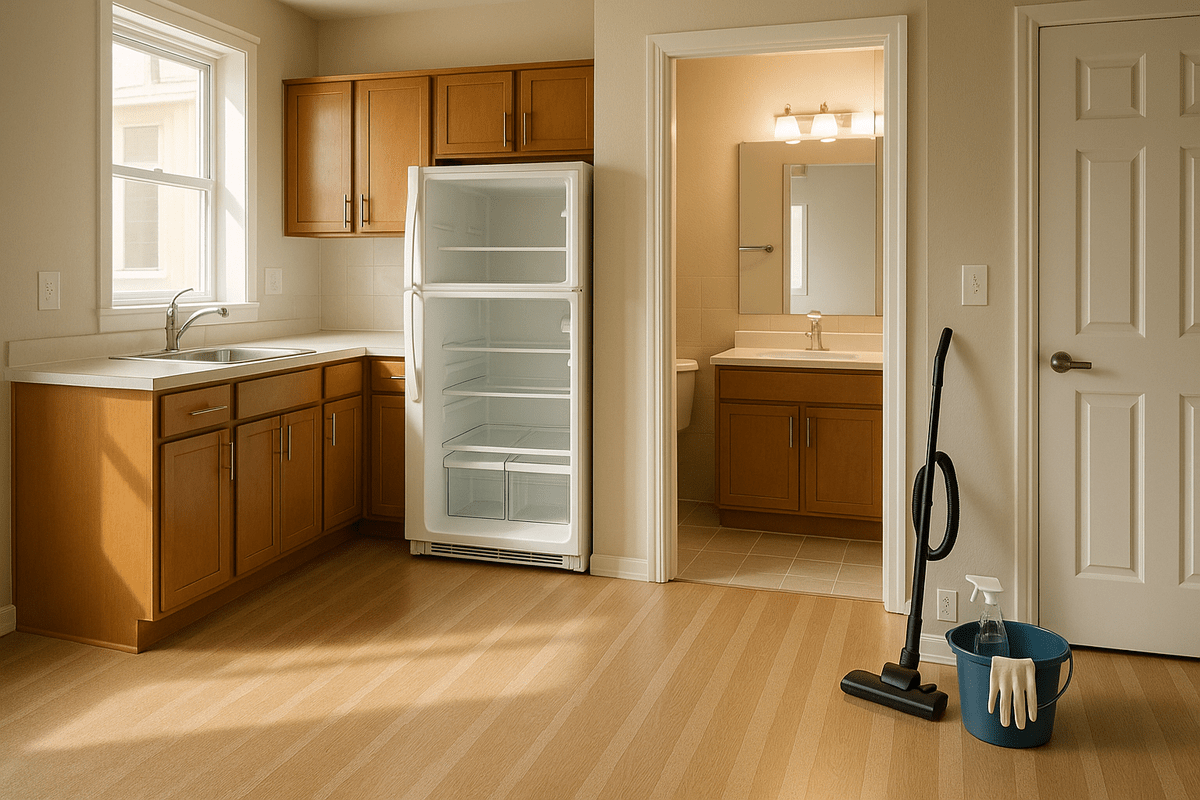
A move-out inspection often focuses on whether the property has been emptied, cleaned, and returned in the condition required by the rental agreement.
Your landlord or property manager may compare its current condition with photographs, inspection notes, or a checklist completed when you first moved in.
Start by reading your lease before picking up a mop.
Look for specific instructions covering carpet cleaning, appliance interiors, cabinets, bathrooms, trash removal, patios, garages, or other areas.
Some rental agreements also explain when cleaning fees may apply.
The most noticeable problems tend to be things that clearly could have been cleaned before leaving.
Grease around the stove, food inside the refrigerator, soap buildup in a shower, dirty toilets, sticky cabinets, and heavy dirt along baseboards can all make a property look neglected.
Normal wear is different.
Small floor scuffs, minor carpet flattening beneath furniture, lightly faded paint, or other signs of ordinary use may occur even when someone has taken reasonable care of the property.
Damage, such as a cracked window or broken fixture, is also different from a cleaning problem.
For sellers, expectations can depend on the purchase agreement.
A property may only need to be left broom-clean, meaning personal possessions and debris are removed, and the space is reasonably tidy.
If the agreement specifies additional work, follow those requirements rather than relying on a general standard.
Before moving day, it is helpful to:
- Review your lease, move-in report, or sale agreement for written expectations.
- Ask your landlord or property manager about anything unclear.
- Photograph each room after cleaning and before returning the keys.
- Keep records of any professional service you hire.
A few minutes spent documenting the condition can be useful if questions come up later about the deposit or the state of the rental.
Move-Out Cleaning Checklist for the Areas That Matter Most
Once boxes and furniture are out of the way, cleaning becomes much easier.
Empty rooms also expose areas that may have been hidden for months, including dusty baseboards, marks near outlets, crumbs beneath appliances, and debris along walls.
Work from the top of each room downward.
Dust ceiling fans, fixtures, shelves, and other raised surfaces first.
Then wipe counters, cabinets, doors, and trim before finishing with the floors.
This keeps falling dust from landing on areas you have already finished.
A practical cleaning checklist should cover the following:
- Kitchen: Empty and wipe the refrigerator, clean the stovetop, remove grease from counters and cabinet fronts, scrub the sink, wipe appliance exteriors, and clean inside appliances when your agreement requires it. Check drawers and cabinets for crumbs or forgotten items.
- Bathrooms: Clean and disinfect toilets, sinks, counters, tubs, and showers. Remove soap residue from fixtures and glass, wipe mirrors, and check corners and floors for hair or buildup.
- Bedrooms and living spaces: Dust surfaces, doors, trim, blinds, vents, and ceiling fans. Remove marks where possible, wipe switches and doorknobs, and vacuum or mop every floor.
- Often-missed details: Check baseboards, window tracks, shelves, closet floors, outlets, door frames, and the space behind movable items. Empty every trash bin and remove all personal belongings.
A move-out clean should leave surfaces visibly cared for rather than simply make the property look acceptable from across the room.
If the rental hasn’t been cleaned in a while, a professional move-out clean saves you hours.
Dried grease, hard-water residue, heavy dust, old spills, and bathroom buildup can take much longer to remove than everyday mess.
Cleaning Problems vs. Normal Wear and Damage
One of the biggest sources of confusion during a rental move is deciding whether something needs to be scrubbed, repaired, or simply accepted as normal wear.
The easiest way to think about it is to ask what caused the condition.
Dirt generally comes from something that can be removed through cleaning.
Wear develops through ordinary use over time.
Damage involves something that is broken, significantly stained, altered, or otherwise beyond routine cleaning.
| Condition | Usually Cleaning, Wear, or Damage? | What to Do Before Leaving |
|---|---|---|
| Grease on the stovetop | Cleaning | Degrease and wipe thoroughly |
| Soap buildup in the shower | Cleaning | Scrub surfaces and fixtures |
| Dusty baseboards | Cleaning | Vacuum or wipe them down |
| Food left in the refrigerator | Cleaning | Empty, clean, and dry the interior |
| Lightly faded paint | Normal wear | Document the condition |
| Minor carpet flattening | Normal wear | Vacuum and photograph it |
| Small everyday floor scuffs | Often normal wear | Clean the area and document remaining marks |
| Broken blind or cracked window | Possible damage | Review your agreement and address repairs as appropriate |
| Large wall hole | Possible damage | Repair if required before moving |
This distinction matters because spending an hour scrubbing a cracked tile will not repair it, while assuming a greasy oven is normal wear will not make the grease disappear.
Clean everything that reasonably responds to cleaning.
If a mark or defect remains afterwards, compare it with your move-in records and rental terms.
Do not try to hide damage or perform repairs you are not qualified to handle.
If you are unsure how the landlord will classify something, ask before surrendering the property.
The security deposit can add pressure to the process, but a methodical approach is usually better than trying to make every surface look brand new.
Focus first on the conditions you can control: belongings, trash, dirt, residue, odors, and neglected surfaces.
How to Prioritize When Moving Day Is Close
Sometimes there simply is not enough time to spend hours detailing every corner.
Movers may be arriving, utilities may be scheduled for shutoff, and you may still have packing to finish.
When time is limited, start with the tasks that make the largest visual and sanitary difference.
Remove everything that should not remain in the property.
Get rid of trash, old food, toiletries, empty boxes, and items forgotten in closets or drawers.
Cleaning around clutter slows the process and makes it easier to miss surfaces.
Next, concentrate on kitchens and bathrooms.
These spaces tend to show grime quickly and usually require the most scrubbing.
A sparkling mirror will not compensate for a dirty toilet, greasy stovetop, or refrigerator filled with leftover food.
After those rooms are handled, turn your attention to floors and high-touch surfaces.
Vacuum carpet, sweep hard flooring, mop where appropriate, and wipe doors, handles, switches, counters, and other visibly marked areas.
Use this order when the clock is working against you:
- First: Remove belongings, food, and trash.
- Second: Scrub the kitchen and bathrooms.
- Third: Dust and wipe visible surfaces from top to bottom.
- Fourth: Clean switches, handles, trim, and other noticeable details.
- Fifth: Vacuum, sweep, and mop floors.
- Last: Walk through every room and photograph the finished condition.
Avoid unpacking your cleaning supplies too early at the new place.
Keep a small kit accessible until the old property is finished, including microfiber cloths, an all-purpose cleaner, bathroom cleaner, trash bags, a vacuum, and basic floor-cleaning supplies.
A systematic order saves you from cleaning the same area twice and helps the entire property look consistently cared for.
Should You Hire Professional Move-Out Cleaning?
Doing the work yourself can make sense when the property has been maintained regularly, you have enough time, and the cleaning requirements are straightforward.
But professional help becomes appealing when the schedule is tight, the home has significant buildup, or you would rather focus on packing and moving logistics.
Before booking a professional, check what the service actually includes.
Move-out cleaning can differ from a routine appointment because an empty property exposes surfaces that are rarely addressed during maintenance visits.
Professional cleaning may be especially useful when:
- You have limited time between moving out and returning the keys.
- Kitchens or bathrooms need substantial scrubbing.
- An empty property reveals dirt that was hidden behind furniture.
- You would rather spend moving day handling transportation, paperwork, or your new home.
- You want a detailed cleaning before a landlord or property manager conducts the inspection.
Hiring someone does not replace the need to review your lease or repair damage.
It simply allows experienced cleaners to handle the cleaning portion of the move while you focus elsewhere.
If you are moving within Arizona and want help preparing an empty property, AZ House Cleaner offers move-in/move-out cleaning with online scheduling and a detailed cleaning process designed for these transitions.
Leave the Property Ready for the Next Person
A successful move-out cleaning does not require making an older property look brand new.
It means removing the mess you created, following the requirements in your agreement, and leaving the space reasonably ready for whoever comes next.
Start with your paperwork, then clean the areas that receive the most attention during a move-out inspection.
Remove belongings and trash, scrub kitchens and bathrooms, wipe surfaces, handle visible dirt, and finish the floors.
Separate ordinary wear from conditions that can actually be corrected through cleaning.
Once the work is finished, walk through the property with fresh eyes.
Open cabinets and appliances.
Check closets.
Look behind doors.
Make sure nothing has been forgotten.
Then take clear photographs before you leave.
If doing all of that while coordinating a move feels like one task too many, professional help can simplify the handoff.
AZ House Cleaner can handle the detailed cleaning so you can spend your time packing, coordinating movers, and getting settled in your new place.
Ready to take move-out cleaning off your schedule?
Book an AZ House Cleaner move-out clean and leave the scrubbing to a local professional.



Arizona Cleaning
We will send you info about our cleaning company