Moving into a new home is much easier when the space is already clean and ready for your belongings. If you are wondering when should move in cleaning be done, the best time is after the previous occupant has moved out and after repairs, painting, flooring, or renovation work is finished, but before boxes and large furniture arrive.
For many households, scheduling the cleaning 24 to 48 hours before move-in works well. This gives the cleaner full access to the home, allows freshly cleaned floors and surfaces time to dry, and leaves room for a walkthrough or small touch-ups before moving day.
An empty home is also easier to clean thoroughly. Cabinets can be opened without boxes in the way, and cleaners can reach baseboards, closet corners, appliance interiors, window tracks, and floors without working around sofas, beds, or moving supplies.
If construction or repair work is still in progress, wait until it is complete before scheduling the main cleaning. Dust and debris can continue settling after contractors leave, which may mean cleaning the same areas twice.
For Arizona homeowners and renters who want help preparing the space before move-in, AZ House Cleaner can handle the detailed work while the home is still empty and easy to access. A practical order for most moves is simple: finish repairs first, complete the cleaning next, and bring in your belongings last.
The Best Time to Schedule a Move-In Clean
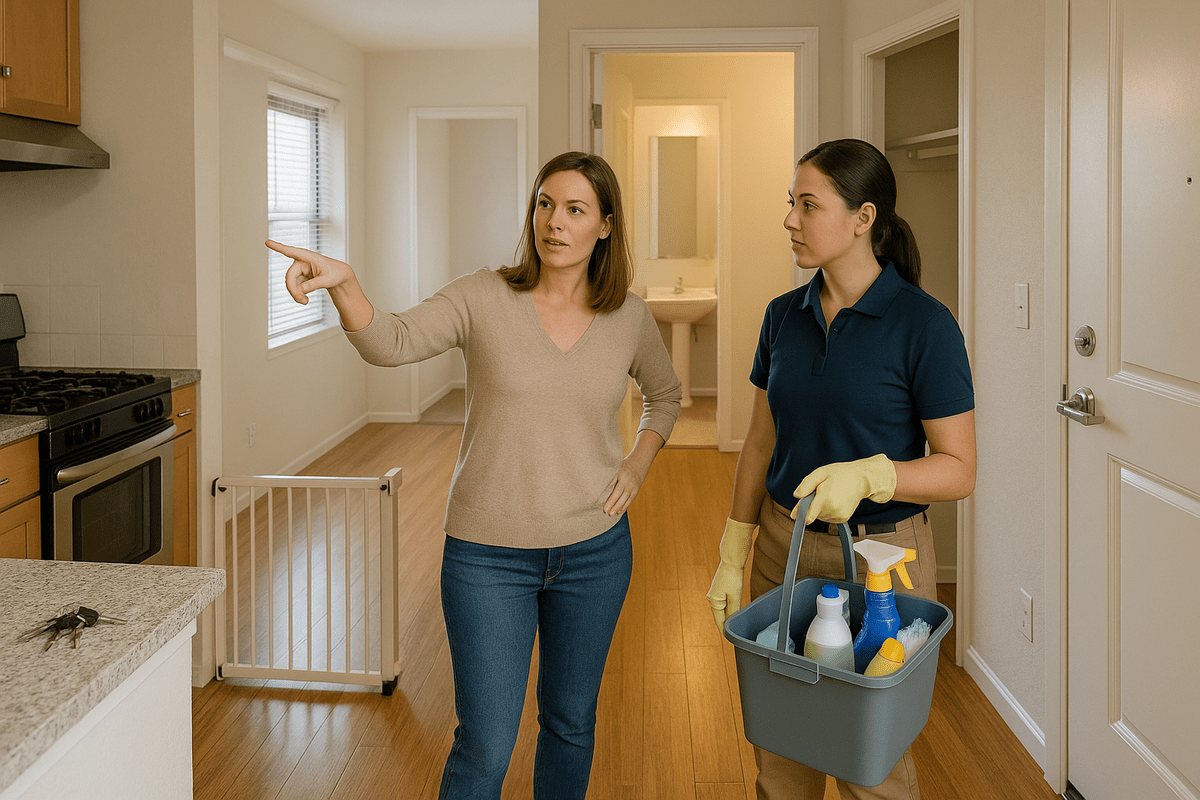
The ideal cleaning appointment sits between the end of property work and the beginning of your actual move.
If you have access to the property a few days early, schedule the cleaning after the home is empty and ready. The 24-to-48-hour window before move day gives you enough time to inspect the results without leaving the space empty long enough to collect another layer of dust.
The order generally looks like this:
- Previous occupants move out. The property should be cleared of belongings, trash, and anything that will interfere with cleaning.
- Repairs and renovation work finish. Complete painting, flooring installation, fixture replacement, and other contractor work.
- Construction dust and debris are removed. Give airborne dust time to settle if needed.
- Move-in cleaning is completed. The cleaner can work throughout the space.
- Inspect the home. Check kitchens, bathrooms, floors, cabinets, closets, and other high-priority areas.
- Bring in boxes and furniture. Once surfaces and floors are dry, moving can begin.
This sequence prevents movers, contractors, and cleaning crews from getting in one another’s way.
It also reduces the chance that freshly cleaned floors will be covered with renovation dust or that a contractor will leave fingerprints, packaging, or debris behind after the cleaner has finished.
For an apartment, timing may require a little extra coordination. Elevator reservations, building access, key pickup, utility activation, and landlord walkthroughs can all affect the schedule. If possible, avoid placing the cleaning appointment immediately before the movers arrive. A few extra hours give you room to deal with delays.
What Needs to Happen Before Cleaning Starts
A professional move-in appointment works best when the property is genuinely ready for cleaning.
Start by confirming that contractors are finished. If painters still need to touch up walls or flooring installers need to return, hold off on the main cleaning. Any construction can create dust, footprints, scraps, or residue that lands on freshly cleaned surfaces.
Utilities should also be working. Water is needed for bathrooms, sinks, and many cleaning tasks, while electricity may be needed for vacuums, lighting, and appliance checks.
Next, make sure the home is as empty as possible.
Before the cleaning service arrives, check the following:
- Confirm water and electricity are on.
- Remove boxes, trash, leftover supplies, and personal items.
- Make sure contractors and repair crews are finished.
- Identify delicate flooring, stone, wood, or speciality fixtures.
- Provide entry instructions, gate codes, parking details, or alarm information.
- Point out rooms that need extra attention or should remain off-limits.
- Check whether the refrigerator, oven, cabinets, drawers, and closets are included in the service.
- Mention stains, odors, grease, heavy bathroom buildup, or other problem areas in advance.
A short walkthrough can make residential cleaning much smoother. It allows the cleaning company to understand the home’s condition and plan the work before supplies are unpacked.
It also helps set realistic expectations. A nearly spotless apartment that needs a refresh is different from a vacant house with months of dust, kitchen grease, and bathroom buildup.
If certain rooms need extra work, say so before the appointment. Kitchens and bathrooms often take longer because they contain appliances, fixtures, grease, mineral residue, and high-touch surfaces.
Clear communication helps the cleaning crew spend its time where it will make the biggest difference.
How Cleaning Fits Into Your Moving Timeline
Move-in cleaning should not be treated as a random task that gets squeezed between packing, utility appointments, and furniture delivery.
Giving it a dedicated place in the schedule makes the entire move easier.
Small jobs can be handled while preparing for a move, but detailed cleaning works better when rooms are empty and surfaces are exposed.
Here is a practical timeline:
| Stage | What to Do | Why the Timing Helps |
|---|---|---|
| Several days before moving | Confirm access, utilities, repairs, and contractor completion | Prevents scheduling conflicts |
| After repairs finish | Remove construction debris and allow dust to settle | Keeps cleaned surfaces from getting dirty again |
| 24 to 48 hours before moving | Schedule the main move-in clean | Gives cleaners full access to empty rooms |
| After cleaning | Walk through kitchens, bathrooms, closets, cabinets, and floors | Gives you time to address anything missed |
| Move day | Bring in boxes and furniture | Your belongings enter a prepared space |
| After unpacking begins | Handle light touch-ups as needed | Deals with footprints or debris from movers |
If your schedule is tighter than this, try to preserve one thing: the cleaning should happen before the majority of your belongings enter the property.
Even a six-hour gap can be useful. A cleaner can work efficiently when rooms are open, while trying to perform the same cleaning around stacks of boxes can take much longer.
The same principle applies when leaving an old home. Pack first, remove furniture, then do the detailed cleaning. Otherwise, moving traffic can undo work you already completed.
Floors are a good example. Vacuuming and mopping before movers carry out furniture may leave you cleaning those floors again after everyone has walked across them.
Plan the cleaning as its own stage of the move rather than another chore happening in the background.
What a Move-In Cleaning Should Cover
A move-in clean should focus on areas that are easier to reach before you unpack.
Even when a home looks tidy, hidden surfaces can contain dust, crumbs, grease, residue, or debris from previous occupants or recent work.
Cabinets and drawers are a good place to start. You are about to put dishes, food, bathroom items, and clothing inside them, so cleaning these surfaces before unpacking saves work later.
Kitchens usually need careful attention. Countertops, sinks, faucets, appliance exteriors, cabinet fronts, and high-touch areas should be wiped. If appliance interiors are included in your service, this is also a convenient time to clean the refrigerator and oven while they are empty.
Bathrooms should be cleaned before toiletries, towels, and bath mats arrive. The toilet, shower, tub, vanity, sink, mirror, fixtures, and floors can all be addressed without personal items getting in the way.
Other areas worth checking include:
- Baseboards and trim
- Window sills and tracks
- Closet shelves and floors
- Doors and handles
- Light switches
- Vents
- Ceiling fans
- Interior shelves
- Hard flooring
- Carpeted rooms
- Corners and wall edges
The goal is to prepare the space for daily living before unpacking begins.
If renovation work was recently completed, standard move-in cleaning may not address every type of construction residue. Fine dust can settle across walls, vents, fixtures, and ledges. Larger projects may require a different level of post-construction cleaning before the normal move-in work begins.
Ask the company what its service includes instead of assuming every task is covered.
This is particularly useful for appliance interiors, windows, blinds, cabinet interiors, and areas affected by construction. Knowing the scope beforehand helps you decide whether any work needs to be completed separately.
DIY Cleaning or a Professional Move-In Service?
Cleaning the home yourself can work well when the property is small, already in good condition, and you have enough time before the move.
A studio apartment or lightly used one-bedroom space may only require a few focused hours. DIY cleaning also gives you complete control over products and allows you to spend extra time on areas you personally care about.
The challenge is that moving often takes longer than expected. Packing, paperwork, utility setup, deliveries, keys, movers, and last-minute repairs can quickly fill the available time.
Professional help may make sense when the home is large, has been vacant, or needs significant cleaning.
A cleaning service can also be useful when:
- Your move schedule leaves only a narrow window for cleaning.
- Bathrooms or the kitchen have visible buildup.
- Construction or repairs recently took place.
- The house has several rooms that need detailed attention.
- You want cabinets, closets, baseboards, fixtures, and other overlooked surfaces cleaned before unpacking.
- You would rather spend your available hours on packing, deliveries, paperwork, or family needs.
If you hire a company, schedule the appointment early enough that the cleaners are not racing the movers.
AZ House Cleaner can handle move-in cleaning during the period when the property is empty and most accessible. That allows the cleaning crew to work throughout the home before boxes and furniture start filling rooms.
For Arizona residents managing a busy move, outsourcing the cleaning can also reduce the number of jobs competing for attention during the same day.
Start Your Move With a Clean, Ready Home
The best move-in cleaning schedule is usually straightforward: wait until the old occupants are gone, finish repairs and renovation work, let construction dust settle, and then clean before furniture and boxes arrive.
Whenever possible, reserve the 24 to 48 hours before move day for the cleaning appointment. That window gives the home time to dry and air out, while also leaving room for a walkthrough or minor touch-ups.
A space gives cleaners access to areas that become difficult to reach once unpacking starts. Cabinets, closets, appliance interiors, baseboards, floors, window tracks, and corners can all be handled without having to work around your belongings.
Good timing also prevents unnecessary repeat work. Cleaning while contractors are still active or before movers finish carrying items through the home can leave you doing the same jobs again.
If your moving schedule is already packed, a professional move-in service can take one large task off your calendar. AZ House Cleaner can prepare your home before move day so you can focus on getting your belongings, utilities, paperwork, and family settled into the new space.
Schedule your move-in cleaning before the boxes arrive and walk into a home that is ready for you from the first day.



Arizona Cleaning
We will send you info about our cleaning company